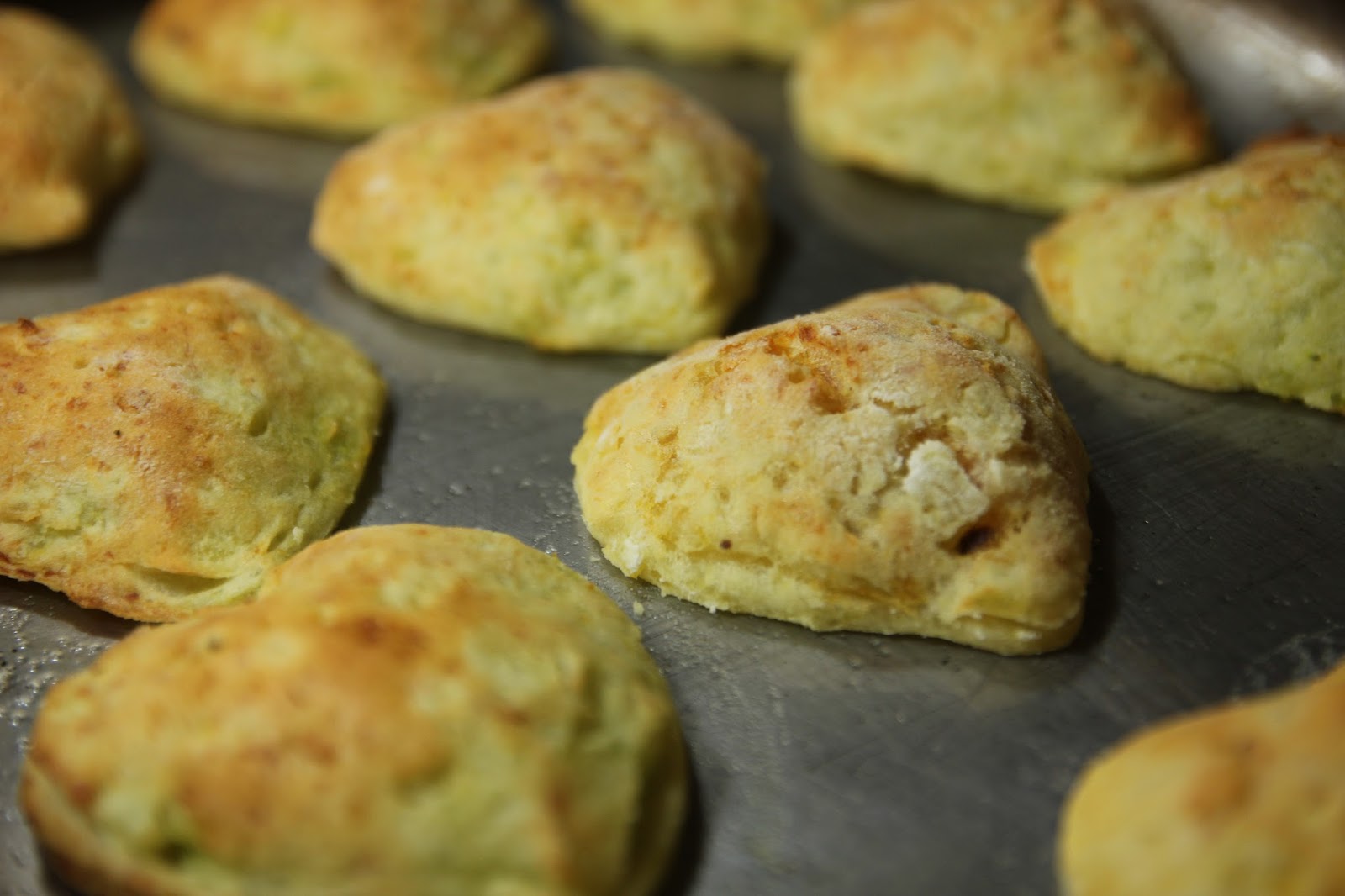
Just below you will find my most recently posted recipe:
Pages
- FINGER FOOD - COLD SAVOURY
- FINGER FOOD - HOT SAVOURY
- SCOTTISH
- PUDDINGS, PIES, TARTS & ICES
- HOME
- FINGER FOOD - COLD DESSERT
- FINGER FOOD - HOT DESSERT
- STARTERS
- FISH & SEAFOOD
- MAIN COURSES
- CAKES, BREAD & BISCUITS
- PRESERVING FOOD
- HEALTH & BEAUTY
- FOOD & MEDICINE
- CRAFTS
- FORAGED FOODS
- FESTIVE COOKERY
- RECIPES FROM LITERATURE & FILM
- VEGETARIAN
Welcome to Simply Organic Recipes - What's on the Menu?
Scottish Spiced Griddle Cakes - Gluten Free Winter Treat
A Short History of Oat Griddle Cakes
Like the ancient Mongolians, who used their shields to cook their food, documents show that in the 14th century the Chieftain and his clan used theirs to bake oatcakes. It is even believed that the Romans, whilst in the country, to misquote Saint Ambrose; 'did as the Scotch did' and survived on oatcakes! As for Dr Johnson in his famous dictionary of the English Language, published 1755, under the entry for the grain he wrote: 'Oats n.s. [aten, Saxon.] A grain, which in England is generally given to horses, but in Scotland supports the people.'
To which the writer Walter Scott returned: 'Did you ever hear of Lord Elibank's reply when Johnson's famous definition of oats was first pointed out to him?
"The food of men in Scotland and horses in England," repeated Lord Elibank; "very true, and where will you find such men and such horses?"'¹
FOREWORD on Gluten-free Oats
Oats do not
contain gluten, however it is best not to buy them, if you are gluten
intolerant, unless they are labelled as certified gluten-free. In
countries where oats are not a traditional crop, fields can be
contaminated by stray plants when other cereal crops are grown in close
proximity. Here in France, for example, where there were no dedicated
oat-growing areas, we used to find it impossible to buy certified
organic gluten-free oats. However, due to the ever increasing
popularity of gluten-free foods and international cuisine, we are now
seeing certified oats on the shelves. It is also worth noting that post
harvest, certified gluten-free oats are processed in dedicated mills
where they can not be contaminated with other grains. This is why people
often get confused about why all oats are not labelled as suitable for
those allergic to gluten.
INGREDIENTS
Makes 10 large cookies
2½ cups - 200g - 8oz rolled oats liquidised or ground into a coarse flour
A generous pinch of salt
½ teaspoon bicarbonate of soda
2 tablespoons of raw cane sugar
¾ cup - 200ml - ⅓ pint of raw milk
Handful of raisins, pre-soaked in a little white wine ( or cold black tea)
¼ teaspoon of mixed spice ('mixed spice' is a traditional British pie, pudding, biscuit and cake blend, made from, ground coriander, cassia, ginger, nutmeg, caraway and cloves). Apple pie spice is similar and do add more if you like a spicier cookie.
The zest of half a medium lemon.
Icing sugar for dusting
Lard for greasing
METHOD
Preheat the oven to 355°F - 180°C
Grind the oats, don't make them too fine or you'll lose the lovely chewy nature of the oat.
Using a liquidiser or coffee grinder, only grind a small amount (2oz - 50g) at a time and pulse the liquidiser, this stops the oats getting too hot as this spoils the flavour.
Put the ground oats into a mixing bowl or jug and add a pinch of salt, the sugar, mixed spice and the bicarbonate of soda.
Add the milk whilst whisking.
Drain the raisins off the wine and add them to the mix, stirring in with a spoon. Add the lemon zest.
Leave the batter to thicken for around 5 minutes.
I shot the griddle cooking of the cookies as they rose and expanded
on the griddle, so you can get a sort of flicker book idea of movement
if you run the images quickly one after the other.
Each cookie is made from one dessert spoon of the batter which is placed onto the griddle. Make sure you do not overcrowd the pan as each heap of batter needs room to expand.
The cookies are ready for turning over when bubbles appear in the batter and it no longer has a wet look to it.
Keep checking each cookie once you have turned it to make sure it doesn't burn.
Once cooked, put them on a warmed plate or in the warming drawer of your cooker.
Repeat the process until all the batter is used.
Place all the cookies on a lightly greased tray and place them in the oven (middle shelf) for approximately 5 minutes, this crisps them on the outside but they will still be soft and chewy on the inside. If you cook them longer they become more 'biscuity'.
Place on a cooling rack and when they are still just slightly warm, sprinkle with icing sugar.
Enjoy!
If you have enjoyed this recipe and found it useful think about sharing it with your family and friends, on social media and also maybe about joining this blog and/or subscribing to my Youtube, Odysee or BitChute Channel or even supporting us on Patreon or
All the very best,
Sue
© Sue Cross 2023
RELATED ARTICLES
Individual Potato Pies à la Clamart. Gluten-free
Scottish Flummery Chocolate & Orange. Gluten-Free
From a lowly food of the poor to a complex festive Georgian centrepiece, flummery started life as a lowly gruel cum porridge, made from the fermented soakings and..read more
Cranachan Cream Crowdie - GLUTEN FREE
Caledonian Cream. Traditional Festive Scottish Dessert - GLUTEN FREE
A Taste of Scotland Caledonian Cream - Easy Festive Dessert - GLUTEN-FREE
Scottie Dog Shortbread Biscuits
Several of my Great Aunts used to breed Scotties and Cairn Terriers and big old family Christmases always meant, shortbread, crackling fires and fetching in holly to the tune of barking!.....read more¹ Letter from Sir Walter Scott to Mr Croker March 14th 1829, The Croker Papers Vol ii p. 35
Easy Eggs Florentine With Sweet Potato Leaves
Strictly speaking à la florentine is a method of preparing eggs or fish on a bed of spinach cooked in butter and with a covering of Mornay sauce. However, as I don't like spinach and am not that keen on flour-based sauces, this is an alternative version. As an aside, I also love growing Ipomoea or morning glories of which the edible version is the sweet potato and in North Western France I have better chance of a good crop of leaves, than tubers. I also have a garden full of chickens, so egg recipes are no problem!
For each person/guest (this makes a great party dish) you will need:
1 very fresh egg1 generous handful of sweet potato leaves
1 globe artichoke
1 small to medium red onion
1 heaped dessertspoon of raw cream
1" cube of hard cheese such as Emmental, Gruyère or Cheddar - grated
Butter for cooking
Turmeric and paprika for sprinkling
Salt and pepper
This recipe uses just the heart of the artichoke but reserve the leaves to use with a dip such as guacamole.There are many ways of preparing and cooking artichokes, including trimming them. I just rinse mine and put them in a large saucepan of boiling water with the heads facing downwards and cook until the leaves come away easily when pulled. This happens at around about 15 minutes of boiling.
Remove the artichokes with a slotted spoon and leave to cool.
Pull off all the leaves and set aside for another dish.
Holding onto the stem carefully insert a sharp knife between the choke (the fluffy petal part of the flower) and the solid green heart. or you can simple pull away sections of the choke with your fingers.
Flip over the artichoke and trim off the stalk.
The artichoke heart can now be cut into bite size pieces.
Wash the leaves and depending on the age you can either use them whole (young tender leaves) or chop the older ones.
Slice and dice the red onion.
In a frying pan, sauté the onion in butter until just beginning to soften.
Add the sweet potato leaves and cook, stirring constantly until tender.
Place in warming draw or in a low oven to keep warm.
Poached eggs are best when they are really fresh, so if like me you have hens, then you will have perfect poached eggs - if you can find them!
Place a medium sized pan, half-filled with water on the stove and heat until boiling - the water should have bubbles.
Remove from the heat.
Break eggs one at a time into a shallow dish.
Carefully slide each egg into the water by approaching the bowl so the egg almost floats in. I usually don't like to poach more than three eggs at a time, this way they are in no danger of colliding in the pan.
Simmer very gently (few to no bubbles) for around 3 to 4 minutes.
Whilst the eggs are poaching, place a circle of artichoke heart pieces around the edge of a heated white plate and sprinkle small circles of paprika and turmeric in between.
Place a mound of sautéed sweet potato leaves and onion in the middle of the plate.
Put the poached egg on top.
Add a dollop of raw cream, topped with grated cheese and sprinkle with turmeric and paprika.
Serve immediately.
Provide salt and pepper for your guests to use as they wish.
Enjoy!
Pictured some of my other but non-edible ipomoea.
If you have enjoyed this recipe and found it useful think about sharing it with your family and friends, on social media and also maybe about joining this blog and/or subscribing to my Youtube, Odysee or BitChute Channel or even supporting us on Patreon orAll the very best,
Sue
© Sue Cross 2022
RELATED ARTICLES
Individual Potato Pies à la Clamart. Gluten-free
Roasted Corn on the Cob à la Nero Wolfe
Not all private eyes live out of their office and consume bath-tub hooch from paper bags. There is a well documented association of detectives with good food and fine vintages. This even includes those who, though hot on the trail...read more
Butternut Squash Stuffed & Roasted Optional Topping GLUTEN-FREE
It's that time of year again, the days are getting shorter, the hens are going to roost earlier and you've got that yen for sitting around the fire and curling up around a hot cocoa, a delicious supper dish and a Gothic novel, preferably by Sheridan Le Fanu. On a stormy night I'd suggest..read moreBaked Organic Quail Egg in a Nest - Gluten-free
A variant of a dish we used to eat regularly at home on the farm when I was a child. ..read moreFrench Potato Pies With Braised Red Cabbage - Mazagran à la flamande - Gluten-free
My filling for this mazagran is one we eat regularly as a vegetable dish, it's rich, satisfying and redolent of sunny Autumn days and misty mornings....read moreGarbanzo, Chickpea, Basan Pancakes With Tzatzik - Gluten-free
Lammas Loaf - Harvest Wheatsheaf Bread - Wedding Loaf or Wall Hanging
When you make one of these decorative loaves you are taking a deep dive into Celtic History, crossing over into the traditions of a Church's Harvest Home and rising up to the present day of Country Wedding Breakfasts and Farmhouse Kitchen Interiors. The word Lammas comes from the Old English hlaf maesse, meaning loaf mass or loaf feast, it took place on the first day of August, traditionally when the wheat harvest started. Farmers' wives would make bread from the first corn (wheat) cut and bring it into the Church to be blessed and thereafter used in the mass.
This festival was adapted from the much earlier Celtic festival of Lughnasadh, which again celebrates the harvest and also the wedding of the Sun to the Earth. The original Lammas loaf was round and marked into quarters. However over the centuries not only did the festival move to the end of the harvest, September, October time depending upon the Sunday nearest to the Harvest moon but the bread offered to and displayed in the Church at the Harvest Festival became more complex. It was baked in the form of a wheatsheaf, complete with harvest mouse. The B&W photograph incorporated into the above image is of my family farm, getting in the sheaves in the 1930s.
INGREDIENTS
This makes a large loaf I had to slightly cut down my loaf to fit the largest tin I have but I'll give you the ingredients for the traditional loaf which is made in a 17" x 13" - 43cm x 33cm baking tray although some of the old wheatsheaf loaves could be double the size!12 cups 1.35kg of white bread flour
2½ teaspoons of coarse Celtic sea salt - crushed or ground
2 teaspoons of sugar
2 teaspoons Dove's Farm (or similar) dried yeast -
about 3 cups 690ml lukewarm water
extra flour for dusting
1 large egg yolk with a pinch of salt added for glazing
oil or butter for greasing the bowl and baking tin/sheet
Oven heated to 425°F - 220°C
MAKING THE BASIC DOUGH
If it is cold weather, I like to warm the bowl with the flour in, at least 15 minutes before I start.
Mix together the flour and salt
Make a well in the centre of the above.
I use the 'Sponge Method':- the yeast is made into a starter by adding in the 2 teaspoons of sugar and around ¼ cup of lukewarm water.
Stir and let stand in a warm place to get foamy and then add it to a well in the flour.
Mix a little of the flour into the well, until it makes a thickish batter.
Let it stand again and after about 5 to 10 minutes it will begin to bubble.
Once bubbling add the rest of the water into the well and then work in the flour and start to knead.
If it feels too sticky after all the liquid and flour are incorporated, then add extra flour.
Turn onto a floured board and knead for around 10 minutes until the dough is smooth and elastic and shape into the form of a ball.Clean the bowl, dry and oil lightly.
Return dough to bowl.
Cover with a damp cloth and leave in a warm room for 2 hours or until it has doubled in size,
At the end of this period, knock back (punch) the dough to remove the gas bubbles.
Turn out onto a floured surface and knead for 2 minutes.
Cover with upturned bowl and let rest for 10 minutes.
WORKING OUT THE PROPORTIONS
A little mathematics:The sheaf is shaped in the form of a mushroom. It is built up of a rectangle and a crescent shape of the dough.
For ease of proportions, divide the dough as follows:
For the base, the crescent and the stalks use half of the whole amount of dough.
From that half the proportions for each are as follows
The base - two eighths
The crescent - three eighths
The stalks and the tie - three eighths
MAKING THE SHEAF BASE, THE CRESCENT AND THE STALKS
Cut the dough in half.
Cover the remaining dough with a damp cloth and set aside.
To shape the sheaf base:
Roll out the dough on a lightly floured work surface with a lightly floured pin into a rectangle measuring approximately 10" x 6" - 25cm x 15cm
To shape the crescent:
Partly roll and partly pat the dough into a crescent shape (the cap of a mushroom).
Place the rectangle onto the greased cooking tray, with its short edge against the bottom short edge of the tray.
Position the crescent on top of the rectangle to form a mushroom shape.
Prick the dough all over with a fork and brush it with some water. This is to stop a crust forming whilst working on the sheaf.
To shape the stalks:
Roll out the piece of dough to a rectangle and divide into 30 equal width strips (I used a rule).
Take each strip, roll into a ball and roll between the palms of the hands to make a thin spaghetti shape, which is long enough to cover the rectangle from its base to the bottom curve of the mushroom (approx. 10" - 25cm).
Three of these pieces will be left over to form the tie or twisted ribbon which will go round the sheaf.
Place the stalks on the rectangle.
Twist the three pieces of the ribbon together and place over the middle section of the stalks, tucking each end under the rectangle.
MAKING THE MOUSE AND THE EARS
Take a small piece of dough from the remaining half. Remember that your mouse will double and get very fat - mine did! (Compare and contrast below)
Take a very small piece of dough for the tail and shape it into a length using the finger tips and the floured board.
Place the tail and then the mouse onto the sheaf.
Shape the wheat ears: divide all the remaining dough into 100 pieces.
Roll each piece into a wheat ear shaped oval.
Taking a pair of sharp scissors and starting at the base of the ear, snip angled shallow cuts all the way down the centre of the ear to the tip.
Then make similar cuts down each side making sure to position these new cuts between those of the centre of the ear.
Place these on the 'mushroom' giving some of them a little curve to make it look like a natural sheaf of corn/wheat.
Continue until the whole mushroom and some of the top of the stalks have been covered.
GETTING READY FOR THE OVEN & COOKING THE WHEATSHEAF LOAF
With a sharp knife make holes in your sheaf. These are to prevent the dough from cracking as it cooks but should follow the natural lines between the stalks and ears, so as not to spoil your design.
Using a pastry brush lightly coat the finished sheaf in the salt and egg glaze.
Place in the oven and bake for 15 minutes.
Remove and add another layer of glaze, whilst reducing the temperature to 325°F - 160°CPlace in the oven for a further 25 minutes or until golden brown.
When cooked the sheaf should easily release from the baking tray.
Leave to cool on the tray.
Then place on a cooling rack.
Slice and enjoy with some raw butter.
If you wish to use your Lammas Loaf as a decoration - wall hanging, then you need to bake it at 250°F - 120°C for 6 hours.
Bon Appétit!
All the very best,
Sue
© Sue Cross 2021
RELATED RECIPES
Soul Cakes for Samhain
Chelsea Buns - Bite into History
Cookery and recipes are all about people, not just about how and what they ate but how they lived, what they felt and how they amused themselves in their daily lives. The Chelsea Bun is no exception, it grew out of a time of great upheaval and social change in which whole rural..read more
The Ubiquitous yet Splendiferous Scone
Baby Hedgehog Breakfast or Tea-Time Buns - Enriched Dough
This amount makes 8 baby hedgehogs
All the ingredients I use are organic.
For the Dough
4 cups (455g) white bread flour
3 tablespoons (40g) raw cane sugar
2 teaspoons active dry yeast
¾ cup (170ml) lukewarm milk
1 extra large egg (or 2 bantam)
4 tablespoons (60g) butter - melted
extra flour for dusting
For the Filling
1½ tablespoons (20g) butter - melted
⅛ cup packed (18g) raw cane sugar
½ cup (70g) mixed dried fruit - raisins, sultanas, (these I plump up in a little warm water) almonds
Extra sultanas/raisins or currants for eyes
Extra almonds for the ears
Baking tray - greased
Icing sugar for dusting
TIP for peeling almonds
Place the almonds in boiling water for 60 seconds, then drain and rinse with cold water, so you can pick them up. Squeeze each one gently from, the thicker end, between the finger and thumb, the almond will pop out of the skin.Temperatures
400°F (200°C) - Preheating the oven to this temperature means the yeast is killed quickly, so will not have the potential to over-rise or continue to rise in cooking.
Making the Dough
In the colder Winter temperatures we have at the moment, I usually like to heat my flour before I start mixing. I do this by just placing it in a large earthenware bowl at the side of our cooker.
Add the lukewarm milk to the yeast and a teaspoon of the sugar. Leave until the yeast has started to 'work', you will see a head of foam on the top of the liquid (approximately 5 to 10 minutes).
Mix together the sifted flour, salt and the remaining sugar.
Make a well in the centre of the mix and pour the yeast mix into it.
With your fingers, add just a little flour from the walls of the well to the centre, enough, when mixed with your fingers to form a thick batter. This is called the sponging method.
Leave for around 10 minutes or until it becomes spongy.
Beat the egg and the melted butter into the spongy mixture in the well and then incorporate the rest of the flour.
Knead for 5 to 10 minutes until the dough feels and looks smooth and has a silky surface. I actually favour 5 minutes.
Form into a ball.
Clean the bowl.
Oil the bowl and place the ball in the centre.
Turn the ball over in the bowl to make sure the top of the dough is also oiled.
Cover with a damp cloth and leave in the open kitchen away from draughts until it has doubled in size. This takes about an hour.
Knock back or punch down the dough and turn out onto a floured board.
Adding the Filling
Set aside a piece of dough of the size of a billiard ball (this is for the feet).
Using a floured pin, roll out the rest of the dough to form a rectangle, approximately 16" x 9" (40cm x 23cm)
Cut the dough across the widest side into 8 lengths
Brush the dough with the melted butter, taking care to leave a ½" (1cm) border around the edge.
Sprinkle the sugar over the dough.
Place the fruit along the middle of each band - to just two thirds of the length and then do the same with the nuts.
This way you allow a margin on each hedgehog when you roll up the dough, so as not to leave the fruit and nut filling exposed.
Starting with the filled side, take the dough firmly in both hands and begin to roll towards the opposite edge.
Smooth down the edges.
Making the Prickles, Feet and Eyes
With your finger and thumb, draw out the nose shape.
Add half an almond for each ear, firstly using a chop stick to make a hole and ease the almond in.
Using the chop stick, press the sultana,raisin,currant eyes into the face. This will both stop the fruit from burning and make the eyes more in proportion to the face.
Take a pair of small sharp scissors and start making low angle cuts into the dough, following the imagined semi-circular line of the brow, behind the ears. After each cut use the scissor blades to gently raise each 'spine'.
Make the next row of prickles in the same way but so as the prickles rise in between the previous row.
Continue snipping until you have covered each hedgehog with prickles.
Make two front feet for each hedgehog bun. As a pattern I (roughly) used our photo of the baby hedgehog from our
garden.
Place the feet on the baking tray first and then add the hedgehog. The rising of the dough will allow them to meld to the body. Remember to leave sufficient space between each hedgehog as they will double in size.
Baking and Eating
Brush with remaining butter and sprinkle with sugar.
Cover and leave to rise on the chafing area of your oven until they have doubled in size.
Place in the oven and bake for around 30 minutes but check after the first 20.
The Hedgehogs are cooked when they release easily from the cooking tray.
Put them onto a wire rack to cool.
Dust with icing sugar.
Enjoy with morning coffee, afternoon tea or whenever you feel like a delicious snackette.
Bon Appétit!
All the very best,
Sue
© Sue Cross 2021